

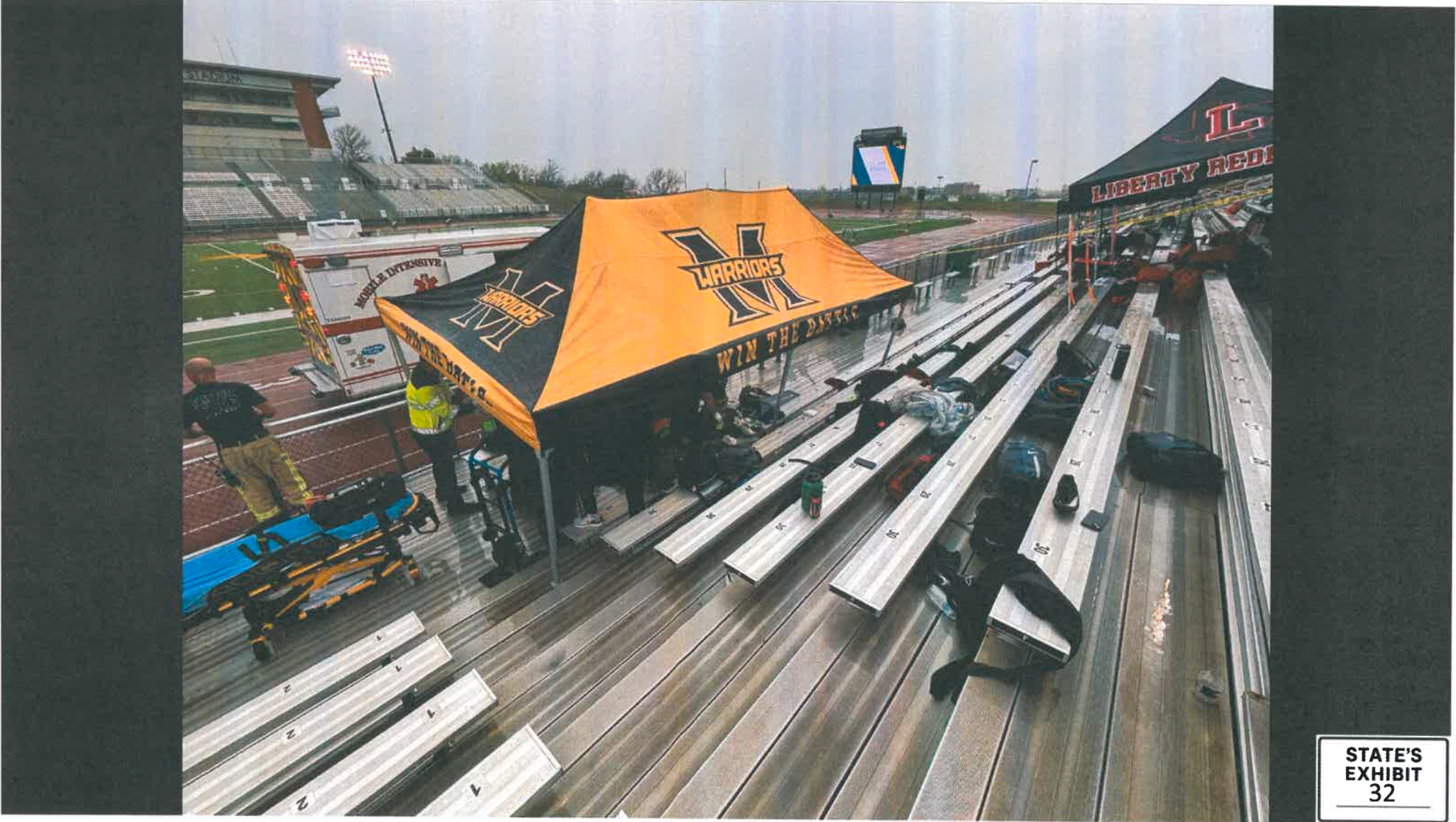
A Texas judge has denied Karmelo Anthony’s request for a new trial following several days of post-trial proceedings in Collin County.
Anthony, now 19, was convicted of murder in June for fatally stabbing 17-year-old Austin Metcalf during a high school track meet in Frisco, Texas, in April 2025. The jury rejected Anthony’s claim that he acted in self-defense and sentenced him to 35 years in prison.
His conviction and sentence remain in place.
Why was a different judge assigned?
Before the court considered Anthony’s request for a new trial, his attorneys asked for District Judge John Roach Jr. to be removed from the post-trial proceedings.
Roach presided over Anthony’s original trial. After the verdict, he gave a television interview in which he said the jury “got it right” and discussed some of his decisions during the case.
Visiting Judge Sid Harle did not find that Roach had violated judicial conduct rules or that he would be unable to remain fair. However, Harle found that Roach’s public comments could cause a reasonable person to question his impartiality. Roach was therefore recused from the remaining trial-court proceedings.
Retired District Judge Michael Chitty was assigned to decide Anthony’s motion for a new trial.
What was examined during the hearing?
The court heard two days of testimony about decisions made during Anthony’s original trial.
A major issue involved an informal agreement between the prosecution and the defense concerning evidence about Anthony’s and Metcalf’s backgrounds. The agreement was intended to keep certain character evidence and allegations about both teenagers out of the trial.
Anthony’s current attorneys argued that a dispute over that agreement affected how the defense presented its case, including Anthony’s decision not to testify.
They also challenged the trial’s jury instructions and restrictions on public and media access to the courtroom. The defense argued that these issues, taken together, prevented Anthony from receiving a fair trial.
Prosecutors disputed those claims. They maintained that the case was handled fairly, that the prosecution followed the court’s rulings and that the issues raised by Anthony’s new attorneys did not justify setting aside the verdict.
The hearing placed information about both teenagers into the public record that the original jury did not hear. However, the hearing was not a second murder trial. Its purpose was to determine whether problems in the original proceedings were serious enough to require a new one.
The request is denied
On Saturday, August 22, Judge Chitty denied Anthony’s motion.
In his written order, Chitty said he reviewed the motion, court record, evidence, arguments, legal briefs and relevant case law before reaching his decision. The order did not provide a detailed explanation of his reasoning.
The ruling leaves Anthony’s murder conviction and 35-year sentence in place.
Does this end the case?
Not necessarily.
Anthony filed a notice of appeal shortly after his conviction in June. That filing began the process of asking a higher court to review the case.
The denial of his new-trial motion means Anthony will not receive another trial from the Collin County trial court at this stage. His attorneys can now pursue the appeal that has already been filed, although they will decide which claims to present and whether to continue through each available stage of review.
An appeal is not a new trial. The appeals court generally reviews the trial record and the legal arguments from both sides to determine whether an error occurred and whether that error was serious enough to affect the outcome.
The court could uphold the conviction, send part or all of the case back to the trial court, or grant another form of relief allowed by law. Filing an appeal does not guarantee that Anthony will receive a new trial or that his conviction or sentence will change.
For now, Anthony remains convicted of murder and sentenced to 35 years in prison.
Good News Now will continue following the case and reporting confirmed developments as they occur.